
Grand Canyon works to restore South Rim water after flash flood
September 9, 2026
Grand Canyon National Park officials say crews are moving quickly to restore reliable water service to the South Rim after an Aug. 29 flash flood damaged key water infrastructure in Bright Angel Canyon and near Phantom Ranch.
The fix could take weeks, not months, officials said, as crews build a temporary water intake at Bright Angel Creek and repair damaged parts of the system.
Engineers are in the canyon designing the temporary intake, and the existing Transcanyon Waterline contract has been modified to support the work. Construction is starting this week.
The temporary intake is designed to pump about 500 gallons per minute, about the same capacity the park had before the flood. Once it is running, water can move through the new Transcanyon Waterline system and begin refilling South Rim storage while crews continue work on a permanent intake.
The flood caused extensive damage to the old Transcanyon Waterline, including about 40% of the legacy pipeline between the Phantom Ranch area and the North Rim. The intake areas at Bright Angel Creek and Roaring Springs also were significantly damaged.
The park’s newer pipeline infrastructure on the south side of the canyon was not damaged. Before the flood, the park was a little more than a month away from beginning operation of the new system. Officials now are accelerating that work.
Electrical service needed for the temporary intake has been restored, debris removal is underway and crews are preparing the site for construction.
Testing and commissioning also are being accelerated at the new South Rim water treatment plant. The National Park Service is working with the Arizona Department of Environmental Quality to meet requirements and bring the plant online safely.
In the meantime, water conservation remains critical.
The South Rim is still relying on stored water. During the latest operational period, stored water dropped about 0.37 feet, compared with about 0.7 feet per day under normal operating conditions.
Current conservation measures are saving about 137,000 gallons of potable water each day, giving crews more time to complete critical repairs.
Park officials are asking residents, employees, visitors, businesses and partners to keep conserving. Every gallon saved helps extend the South Rim’s stored supply while repairs continue.
Teams also are checking the distribution system for leaks and unusual water use. Some leaks can be fixed right away, while others require more review because flushing a repaired section before it returns to service can use more water than the leak itself. Crews are weighing each situation to determine what will save the most water overall.
To reduce demand, the park is placing potable-water tanks, bottled drinking water, hand-washing stations, portable showers, laundry facilities and portable toilets throughout the South Rim community. Five 2,500-gallon potable-water tanks have been placed, with more planned, and more than 13,500 gallons of drinking water has been staged across the South Rim.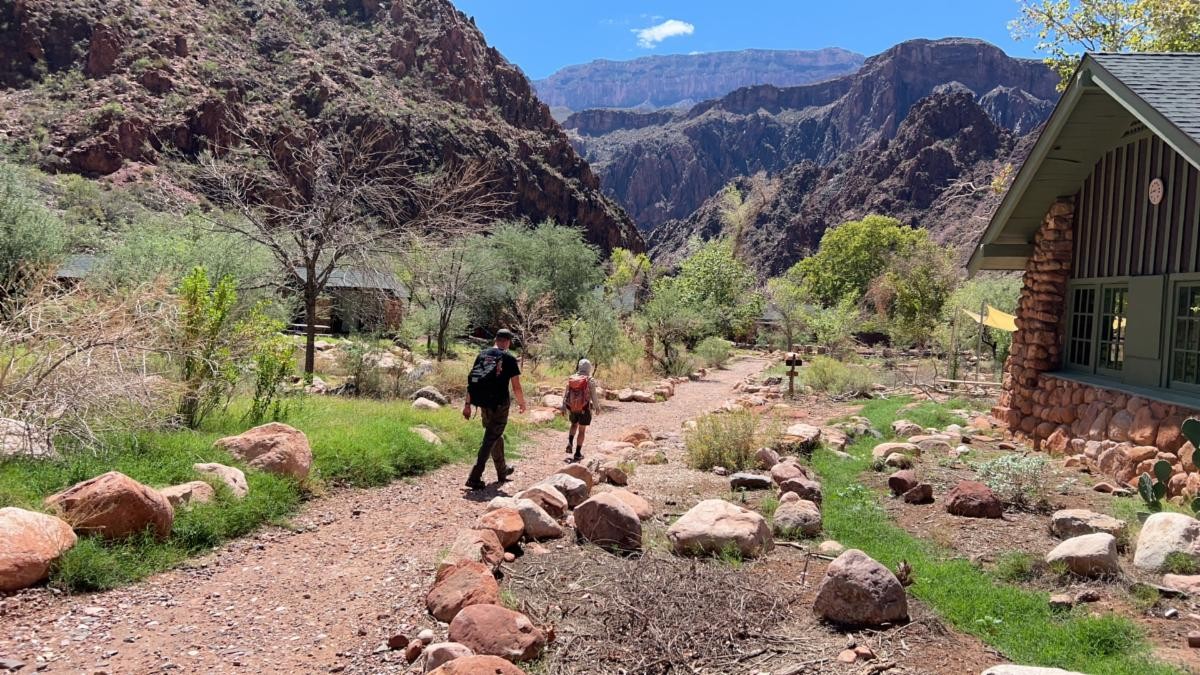
The park also is looking at ways to supplement the water supply. Any added water must meet water-quality and chemical compatibility requirements to avoid damaging distribution and treatment systems. The National Park Service is working with state regulators, contractors and potential suppliers to review those options.
South Rim tap water remains safe to use, and no boil-water advisory is in effect.
Grand Canyon National Park remains open on both the South Rim and North Rim, though visitors should expect modified operations and closures in affected inner-canyon areas. Visitors should check current park conditions before traveling, bring drinking water and conserve water during their visit.
Search operations also remain active. One person remains missing after the Aug. 29 flood. Search teams continue working in the delta area near Phantom Ranch, while river patrol crews search downstream along the Colorado River and nearby areas where flood debris may have been carried.
The National Park Service and its partners said they remain committed to the search as response, repair and longer-term recovery work continues.
The park said it will continue sharing updates as work progresses.

